Sovereign AIWorkshop

Two in-person half days at Italy's first AI-native venture studio. You learn to adopt AI in your company and keep control of your data, your models and your suppliers.

Episodes
20 Nov · 18 Dec 2026
Duration
Half day · 09:30–13:30
Price
€ 199 + VAT · students € 99

Sovereign AI: bring AI into your company without giving up control.
Two half days for managers and teams at corporates and enterprises.

Run by the team that builds KVA's own AI products.

The workshop is two half-day episodes at KVA's studio in Turin. It is about Sovereign AI. We show how a company adopts AI and keeps control of its data, its models and its suppliers. Each episode opens with a short part on the choices involved. For the rest of the morning you work on your laptop with our team beside you.

KVA is Italy's first AI-native venture studio. For two years we have shipped AI products for our own portfolio. We also help industrial groups adopt AI. In the room we bring the tools we use every week and the mistakes we have already made.

Two episodes before the end of the year: Friday 20 November and Friday 18 December, from 9:30 to 13:30. Each episode stands on its own. Eighteen seats per episode, at € 199 + VAT. We work in Italian or in English, depending on who is in the room.

See the agenda
01

Three skills you take back to the office
the next day.

Each one applies to a project already on your desk.

01 · Understand

How to choose where data, models and compute live.

After the first episode you can place any AI offer on four axes: data, model, infrastructure and skills. You can tell when a supplier asks for more access than it needs. The same map works for the products that come out next year.

02 · Build

How to build a prototype that does not depend on one supplier.

In the first episode you build an assistant on documents from your own work. Then you swap the model underneath and compare the answers. You see what it costs to change supplier when the architecture is done well.

03 · Decide

How to take AI into production without exposing yourself to risk.

You leave the two episodes with the questions to ask before you sign. They cover costs, data, security, contracts and the AI Act. You use them to judge proposals from suppliers, consultants and your own team.

02

Agenda 20 Nov · 18 Dec 2026

Two half days, each with its own agenda. Each episode stands on its own, so you can join one or both. Each block is led by one person from our team. Coffee is included.

20.11.202609:30 – 13:30

Episode 01 · Friday 20 November

Bringing AI into a company and building a product.

 
09:30 – 10:3060 min
Episode 01 · AI in the company

Bringing AI into a company: benefits, costs and risks.

We start from the AI market and how it moves. We look at where AI brings measurable benefits to a company and what it really costs. We choose where the data lives, which model to use and where to run it. We close with the risks and with what the AI Act asks.

Federico BottinoManaging Director, KVA
10:45 – 13:30165 min
Episode 01 · Build

Building products with AI.

You bring a laptop and a few non-confidential documents from your work. We set up the environment together and we pair with you. You build a small assistant that answers and cites its sources. Then you swap the model and see how the answers change. Claude Code writes the code from what you describe. You leave with a working prototype and a repo that stays yours.

Carlo FerreroKVA · AI products
18.12.202609:30 – 13:30

Episode 02 · Friday 18 December

Protecting AI in the company and using it to optimise.

 
09:30 – 10:3060 min
Episode 02 · Security

AI security: threats and defences.

AI opens new doors to attackers. We look at how text hidden in a document can hijack an agent. We look at how data leaves a company through an assistant. We look at how attackers use AI for phishing and fraud. For each threat we show a concrete defence and the questions to ask suppliers.

Alberto TriveroCo-founder, KVA · Cybersecurity
10:45 – 11:4560 min
Episode 02 · AI for science

Using AI to do science and to optimise.

A model is useful when its answers rest on verifiable data and results. We look at how to get that grounding. We look at how AI helps solve optimisation problems. We look at how to measure the ratio between tokens spent and results obtained.

Davide LaiTheoretical physicist
12:00 – 13:3090 min
Episode 02 · Hands-on

Put an assistant to the test.

You work on a ready-made assistant. First you try to attack it with the techniques from the security block. Then you protect it. Finally you measure what each answer costs and how reliable it is, and you try to improve it. We close with questions at 13:30.

Alberto TriveroSecurityDavide LaiOptimisation
03

Four people, one block each.

Federico, Alberto, Carlo and Davide each lead the block they work on every day.

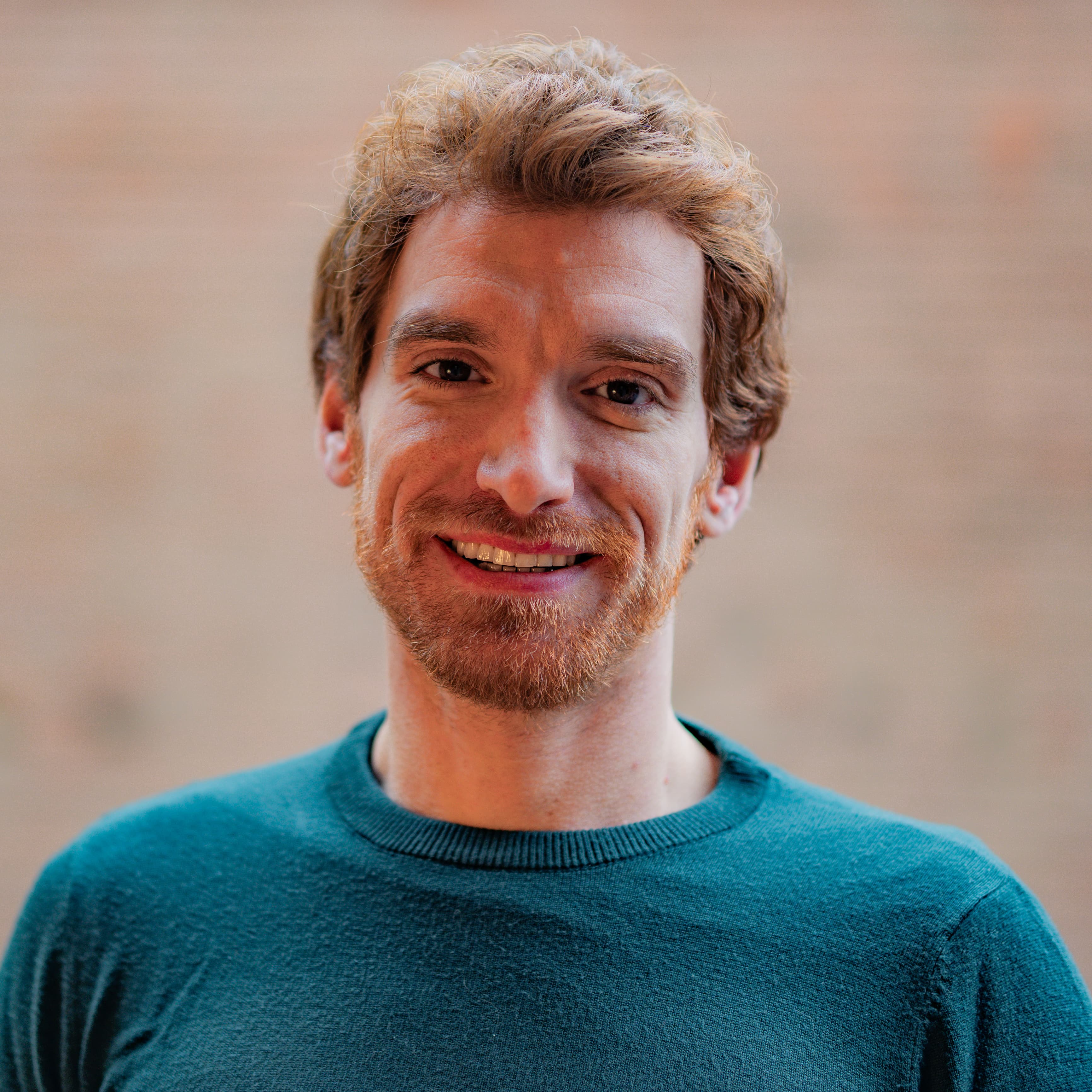
Federico Bottino
Episode 01 · AI in the company

Federico Bottino

Managing Director, KVA · Faculty, ITS Torino

Opens the first episode. Explains how to bring AI into a company and what it costs. Covers benefits, risks and how the AI market moves.

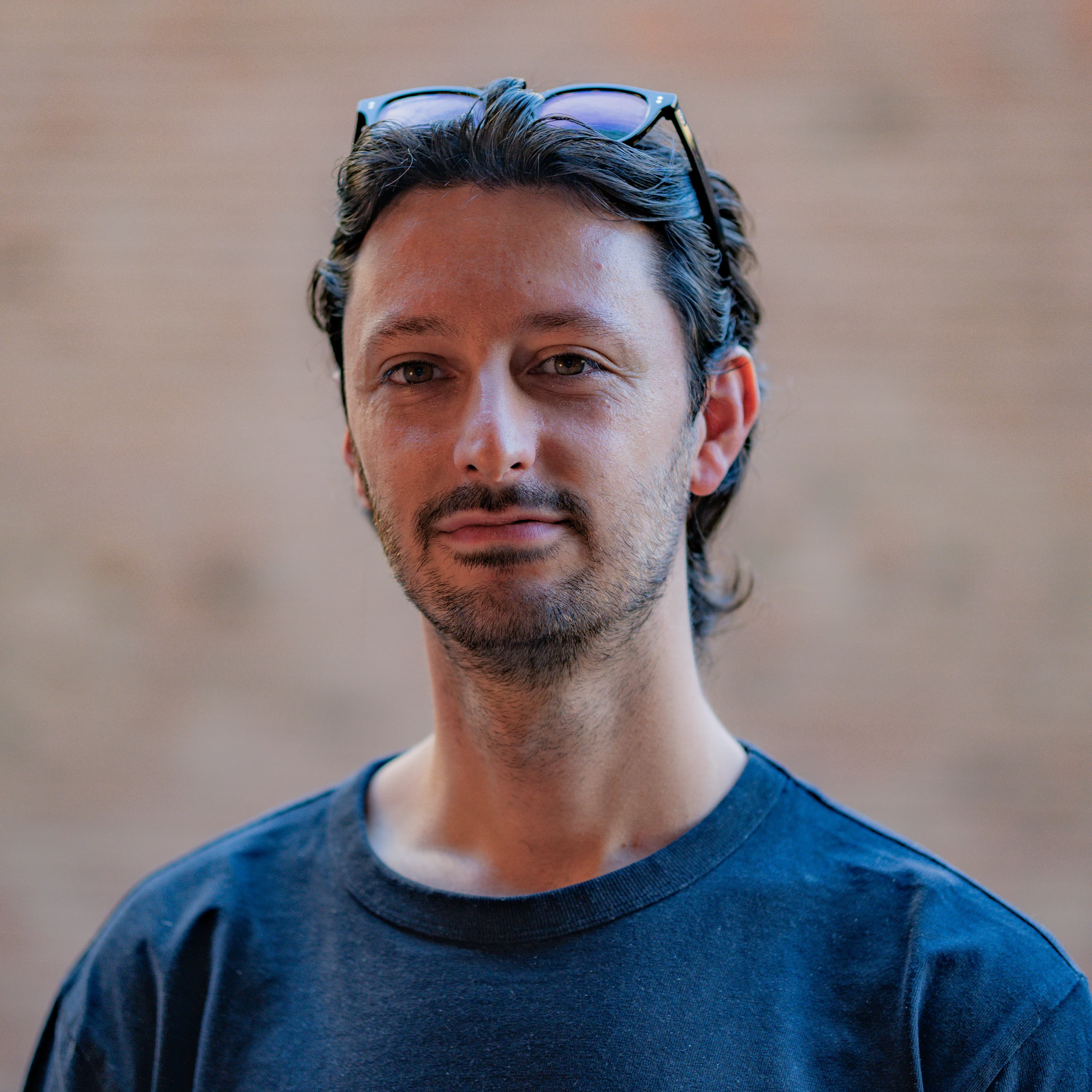
Carlo Ferrero
Episode 01 · Build

Carlo Ferrero

KVA · AI products

Leads the hands-on part of the first episode and pairs with anyone who needs it. Built the agent infrastructure KVA uses every day. Explains how to build a product with AI.

Alberto Trivero
Episode 02 · Security

Alberto Trivero

Co-founder, KVA · Cybersecurity

Comes from offensive cybersecurity. Explains the threats AI brings into a company and the ones it makes easier. Shows how to protect data, models and agents.

Davide Lai
Episode 02 · AI for science

Davide Lai

Theoretical physicist · KVA Scientific Committee

Uses AI to do science. Explains how to ground a model in verifiable data and results. Shows how AI is used on optimisation problems and how to measure what each token spent returns.

Two episodes before the end of the year.

Each episode is a half day and stands on its own. You can join one or both.

04

We teach the tools we use on our own ventures.

Two recent examples, in the words of the people who shipped them.

Claude Code · Vercel · Portfolio dashboard

I joined KVA from a more traditional consulting background, expecting to keep doing what I'd done before, running strategy projects, writing reports, presenting findings. Instead I ended up building things I would have outsourced in any other job: prototypes for clients, internal tools the team actually uses, a dashboard I shipped in an afternoon to track our portfolio. What surprised me most was how quickly the gap closed between having an idea and having a working version of it. I still write strategy when it's needed, but now I can also build the thing the strategy is about.

Luigi·Business, KVA
Claude Code · GitHub · Vercel

I joined KVA as a writer, and before long I found myself doing things I never thought I'd be able to do: building websites, working with CMSs, shaping brands, handling deploys. What surprised me most was how naturally I picked up tools like Claude Code, GitHub, and Vercel by working directly on real projects. To me, vibe coding is about speeding up your work by learning as you go, where the real limits are less and less about technical specialisation and more and more about vision, taste, and your ability to be surprised by what you can build.

Manuel·Writer at Il Foglio, KVA collaborator
05

Where, when and what to bring.

Date
Friday 20 November and Friday 18 December 202609:30 – 13:30 CET
Venue
KVA OfficesVia Sant'Antonino 17b, 10139 Turin · Italy
Format
In-person workshop, half day, 18 seats per episode
Language
Italian or English, depending on who is in the room
Included
Coffee, course materials, API credits for the hands-on part and a certificate of attendance
Bring
A laptop. For the first episode, also bring a few non-confidential documents from your work. You do not need to code.
Refunds
Full refund up to 7 days before the episodeAfter that, you can transfer your seat to a colleague
06

For teams.

At checkout you can book several seats for your colleagues in one purchase, with one invoice. We can also bring the workshop to your company, as a half day or a full day.

See the options for companies→
07

Before you ask.

If yours isn't here, write to us, we answer in a day, usually the same afternoon.

01Do I need to know how to code?
No. In the hands-on part Claude Code writes the code from what you describe. You need a laptop and a willingness to try. If you are an engineer, the opening part is still useful, because the architecture options change every few months.
02Will there be a recording, or material to take home?
We do not record, because the room discusses real cases. The Monday after, you get the course materials and a reading list by email. The repo you build in the first episode stays yours.
03My company wants to use its training budget. Do you invoice?
Yes. Pick the invoice option at checkout and we issue an Italian e-invoice to your company. Every participant gets a certificate of attendance. On request we send the detailed programme for your internal approval. Your seat is held from the moment you confirm.
04Can I attend remotely?
No. The workshop works because eighteen people share one room with instructors who can look at their screens. A remote edition will come, but this is not it.
05What if the prototype does not work?
It sometimes happens, usually because the idea was too ambitious for the time available. That teaches something too. After 13:30 we stay with anyone who wants to keep going, within reason.
06Can I bring colleagues?
Yes. At checkout you choose how many seats to book and you get one invoice. We can also bring the workshop to your company. See the options for companies →
Fri 20 Nov · Fri 18 Dec 2026 · Turin

Two half days to decide how to adopt AI without losing control of it.

Eighteen seats per episode, with the tools we actually use.

18 seats per episode · € 199 + VAT, students and researchers € 99 + VAT · Full refund up to 7 days before